
Field notes
100buy Spreadsheet: the detailed reading room
The original specialist explanations and interactive tools, collected in one place. Start with the buying guide for the full order journey.
Exploded drawings with a tag for each part
Eight line drawings of things the catalogue sells, each taken apart into the pieces you can replace. How to use the tool: pick a drawing, then tap a numbered callout on it or a name in the parts list. Both light up together, and a spare-part tag fills in underneath with the part’s plain English name, the one measurement that decides whether it will fit, how listings usually sell it, and what a 100buy warehouse photo can and cannot settle. There is nothing to type and nothing is priced.
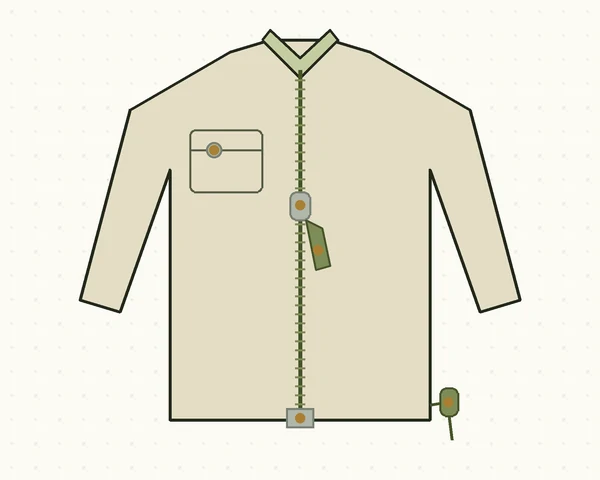
Parts in this drawing
Pick a numbered part to fill in its tag.
The Spares Drawer in plain terms
This guide helps identify replacement parts for items already owned. Choose by the actual mating dimensions, material and attachment type rather than by a low price or a familiar-looking picture. It does not certify a part’s suitability or strength.
Each drawer page takes one family of parts and answers the same four things: what the part is called in English and on a Chinese listing, which single number decides whether it fits, how listings usually sell it (one, a pair, a pack of ten), and what 100buy can check before it ships. Everything here is about plain hardware with no maker’s mark. Lettered zip pulls, stamped buttons and marked buckles are left out on purpose, and the reason is on the ordering page.
100buy, the agent that places the order for you
100buy is a shopping agent: you paste a listing from a Chinese marketplace into its search box, pay 100buy, and it buys the item on your behalf, has the seller post it to its warehouse in China, checks what arrives, and ships it on to you in a parcel you put together. For spare parts that middle step matters more than usual, because a pack of cord locks or a pair of nose pads is far too small to ship on its own at a sensible cost.
What a parts order costs is the item, the seller’s domestic postage to the warehouse, and a share of the international parcel; the ordering page walks through it from search box to parcel, fees included.
Five drawers and the number each one depends on
The drawers are split by the kind of measurement they need, not by shelf, because a cord lock on a hoodie and a cord lock on a rucksack are the same part. Open the one that matches what broke:
- Zips, snaps and buttons: closed-tooth width for zips, cap diameter for snaps, ligne for sew-on buttons.
- Laces, insoles and cords: eyelet pairs for laces, the old liner for insoles, cord thickness for cord locks.
- Straps, buckles and clips: webbing width for buckles, inside width for D-rings, hole spacing for cap straps.
- Frames and watches: mount type for nose pads, screw diameter for hinges, lug width for straps.
- Jewellery findings: length for clasps, wire gauge and inside diameter for jump rings, post thickness for earring backs.
A sixth page, measuring for a part, gathers every one of those measurements in one place with the tool that takes it.
The measurement comes before the listing
Most failed parts orders we can think of come down to one skipped step: the part was chosen from a photo instead of from a number. A No. 5 coil slider looks almost exactly like a No. 3 in a listing photo; an 18 mm watch strap and a 20 mm one are indistinguishable until they meet the lugs. So every drawer page leads with the measurement and only then talks about listings.
You need very little: a ruler marked in millimetres, ideally a cheap digital caliper, and your phone camera to photograph the old part next to the ruler. That photo is also the one to compare with a warehouse photo later. The measuring page lists what to measure for each part and the mistakes that come up most, such as measuring zip tape instead of teeth.
A bag of parts at 100buy’s warehouse
100buy’s inspection notes say the warehouse compares what arrives with the order for quantity, colour, size and the other listed details. For a bag of parts that is genuinely useful: it can tell you whether ten cord locks arrived or eight, whether the slider is black or silver, and whether the size printed on the packet matches the option you picked.
What it cannot tell you is whether the part fits your coat. Nobody at the warehouse has your coat. Fit is settled at home, by the measurement you took before ordering, which is why that measurement matters more for parts than for almost anything else in the catalogue. The ordering page covers what to do when the photos do not show the size.
Why a parts drawer sits next to the catalogue
Catalogue sites are built around finding the next thing to buy. That is why this site exists the other way round: it starts from something you already own and asks what small piece would keep it going. We do not rank parts, recommend shops or quote prices; part prices move daily and a pack of jump rings costs less than the postage of a single letter.
What we do differently is pin every drawer to a measurement you can take yourself, and say plainly where 100buy’s own rules touch a parts order: the count check, the warehouse photos, and the fact that a bag of parts is best sent inside a bigger parcel. The about page says who keeps the drawer and how to report a size that is wrong.